

Economic Cooperation Between countries
می 4, 2014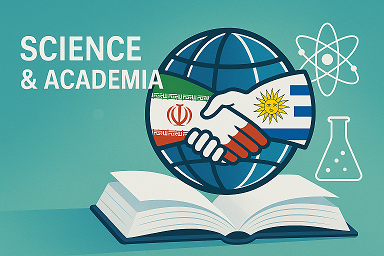
Advancing Knowledge Together: Academic & Scientific Cooperation Between Iran and Uruguay
An in-depth article for the official website of the Iran–Uruguay Friendship Association
Introduction
Academic and scientific cooperation plays a crucial role in deepening international understanding and driving progress across borders. Iran and Uruguay, despite their physical distance, share a strong commitment to education, research, and innovation. Through expanding partnerships between universities, research institutions, and scientific communities, the Iran–Uruguay Friendship Association aims to support meaningful exchanges that enrich learning, foster discovery, and create long-term academic relationships.
This article examines the development, achievements, and future opportunities of academic and scientific collaboration between the two nations.
1. Strong Educational Foundations in Both Countries
Iran’s Academic Landscape
Iran is known for its advanced universities, research centers, and high scientific output, particularly in fields such as:
-
engineering and technology
-
medicine and medical sciences
-
nanotechnology and biotechnology
-
mathematics and physics
-
humanities and social sciences
Iran consistently ranks high in global scientific publications and continues to invest heavily in research infrastructure.
Uruguay’s Academic Strengths
Uruguay boasts one of the most progressive educational systems in South America, with strong emphasis on:
-
agricultural sciences
-
veterinary medicine
-
renewable energy research
-
social sciences and public policy
-
digital education and innovation
Universities in Montevideo and beyond maintain excellent academic standards and partnerships with global institutions.
2. University Partnerships and Academic Exchange Programs
One of the primary goals of the Association is to foster direct cooperation between universities in Iran and Uruguay.
Active and emerging areas of collaboration include:
-
faculty exchanges
-
student mobility programs
-
joint research projects
-
international conferences and academic workshops
These programs create valuable opportunities for scholars and students to explore new perspectives, engage in shared research, and build global academic networks.
3. Joint Research Initiatives: Building Bridges Through Knowledge
Both countries have shown strong interest in launching joint research in areas that reflect mutual priorities.
Potential research fields:
-
sustainable agriculture and food security
-
water management and environmental studies
-
renewable energy and clean technologies
-
medical research and public health
-
cultural studies and comparative social sciences
These cooperative projects promote innovation and help both nations address global and regional challenges.
4. Science Diplomacy: Connecting Researchers and Institutions
Science diplomacy has become an essential tool for promoting peaceful international cooperation.
The Association acts as a bridge between scientists, research bodies, and diplomatic entities by facilitating:
-
official academic visits
-
participation in international scientific conferences
-
collaborative agreements (MoUs)
-
knowledge-exchange platforms
Such initiatives help build trust, enhance global visibility, and strengthen both countries’ roles in the international research community.
5. Educational Webinars and Virtual Programs
Digital cooperation has become increasingly important. The Association has supported online events such as:
-
webinars on global academic trends
-
lectures featuring Iranian and Uruguayan scholars
-
virtual science fairs
-
online cultural-academic workshops
These remote formats allow wider participation, cost-effective collaboration, and continuous intellectual exchange—even across continents.
6. Empowering the Next Generation of Scholars
A key objective of the Association is to support youth engagement in science and education.
Programs are being developed to encourage:
-
research internships
-
youth innovation challenges
-
academic mentorship networks
-
cultural-academic summer schools
Such initiatives help young people become globally aware, academically equipped, and professionally connected.
Conclusion
Scientific and academic cooperation between Iran and Uruguay continues to evolve as both nations embrace new opportunities for learning, discovery, and collaboration. Through joint research initiatives, university partnerships, virtual programs, and youth-focused activities, the Iran–Uruguay Friendship Association is committed to strengthening the intellectual bond between the two countries.
By investing in education and scientific exchange, Iran and Uruguay are not only supporting innovation today—but also building a foundation for shared progress in the years ahead.

